Each service represents a distinct capability, but they're rarely deployed in isolation. Most successful technology transformations require combining multiple approaches into a cohesive strategy.
Strategic technology capabilities
The work we do exists at the intersection of business strategy and technical execution.
Custom Software Development

Generic software forces your business to conform to someone else's assumptions about how work should happen. Custom development flips this relationship, creating systems that conform to your operational reality.
This doesn't mean building everything from scratch. It means identifying where standard solutions work and where custom development creates strategic advantages.
What this includes:
- Web applications tailored to specific workflows
- Internal tools that eliminate manual processes
- Customer-facing platforms that differentiate your offering
- API development for system integration
- Legacy system modernization
Development follows an iterative approach. We build working software quickly, gather feedback, and refine. This reduces risk and ensures what gets built actually serves your needs.
Project investment starts at
$18,750 AUD
Discuss your requirements
Scope determines final investment. Complex enterprise applications require proportional resources.
Cloud Infrastructure Architecture
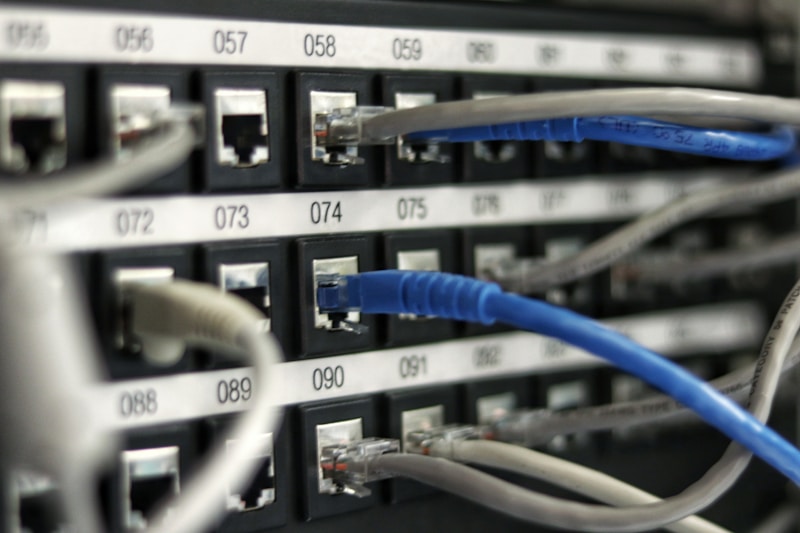
Cloud infrastructure decisions made today determine your operational flexibility for years. Poor architecture creates ongoing costs and limitations. Proper architecture creates compound advantages.
We design cloud environments that balance performance, security, cost, and scalability. Not chasing trends, but implementing proven patterns adapted to your specific requirements.
What this includes:
- Cloud migration strategy and execution
- Multi-cloud and hybrid infrastructure design
- Containerization and orchestration
- Infrastructure as code implementation
- Performance optimization and cost management
Whether you're migrating from on-premise systems or optimizing existing cloud infrastructure, the goal remains making your infrastructure invisible to users while maximizing operational efficiency.
Implementation from
$14,200 AUD
Explore cloud options
Pricing varies based on infrastructure complexity and migration scope.
System Integration Services
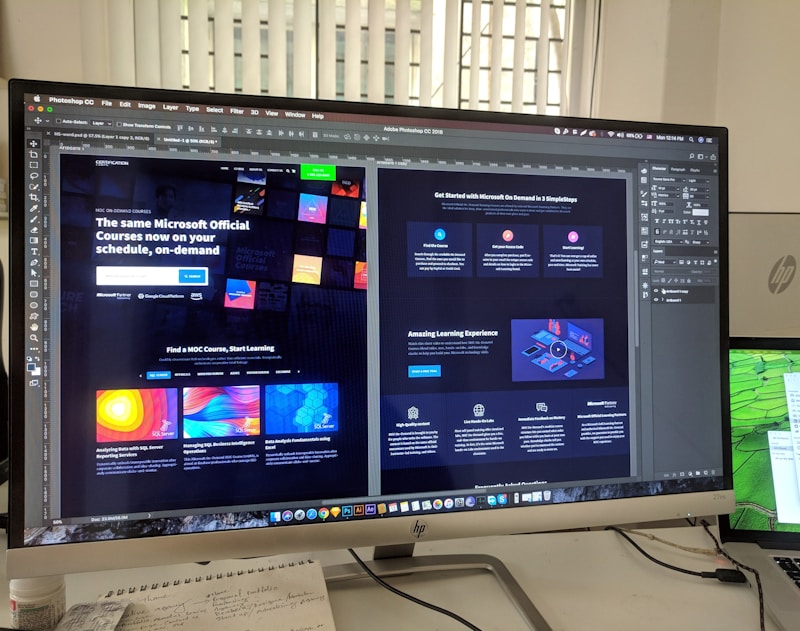
Most businesses accumulate systems over time. CRM here, accounting software there, e-commerce on another platform. Each purchase made sense independently. Together they create information silos.
Integration work connects these disparate systems into unified infrastructure. Data flows automatically. Manual reconciliation disappears. Your team stops being data entry clerks.
What this includes:
- API integration between existing platforms
- Data synchronization and transformation
- Workflow automation across systems
- Legacy system integration
- Real-time data exchange implementation
The work isn't glamorous, but the impact is immediate. Hours of manual work eliminated. Errors from duplicate entry removed. Teams able to focus on decisions rather than data management.
Projects from
$9,400 AUD
Connect your systems
Cost depends on number of systems and integration complexity.
Data Analytics Infrastructure

You're generating data. Probably lots of it. But data without infrastructure to analyze it remains untapped potential.
We build analytics systems that transform operational data into strategic intelligence. Not dashboards for the sake of dashboards, but insights that inform decisions.
What this includes:
- Data warehouse design and implementation
- Real-time analytics dashboards
- Predictive modeling and forecasting
- Automated reporting systems
- Business intelligence infrastructure
The goal isn't collecting more data. It's surfacing the right information at the right time to the people who can act on it.
Starting from
$12,800 AUD
Transform your data
Investment scales with data volume and analytical complexity.
Security & Compliance Implementation

Security requirements only increase. Regulatory frameworks multiply. But security that creates excessive friction gets worked around, making you less secure despite increased investment.
Effective security balances protection with usability. Strong enough to prevent breaches. Practical enough that people actually follow procedures.
What this includes:
- Security audit and vulnerability assessment
- Access control and identity management
- Compliance framework implementation
- Security monitoring and incident response
- Data protection and encryption strategies
We implement security frameworks appropriate to your risk profile and compliance requirements. Not security theater, but practical protection.
Comprehensive assessment from
$7,650 AUD
Strengthen your security
Implementation costs vary based on system complexity and compliance requirements.
DevOps & Automation
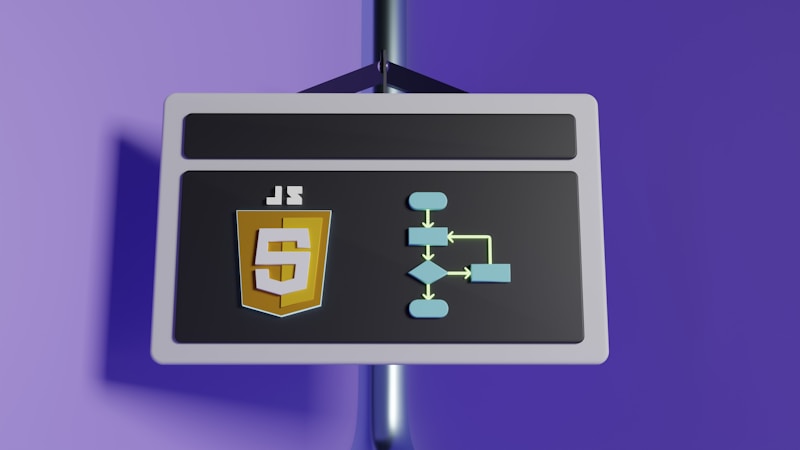
The time between code completion and production deployment often determines competitive advantage. DevOps practices collapse this timeline while reducing risk.
Automated testing catches problems before users encounter them. Continuous deployment enables rapid iteration. Infrastructure as code makes environments reproducible.
What this includes:
- CI/CD pipeline implementation
- Automated testing frameworks
- Infrastructure automation
- Monitoring and alerting systems
- Release management processes
Organizations with mature DevOps practices deploy updates multiple times daily with confidence. Those without often hesitate to deploy monthly. The difference compounds.
Setup begins at
$11,300 AUD
Accelerate deployment
Investment depends on existing infrastructure and automation requirements.
Combining capabilities for maximum impact
While each service addresses specific needs, transformation rarely happens through isolated projects. A custom application might require cloud infrastructure, system integration, and DevOps practices to reach its potential.
We approach engagements holistically. Understanding where different capabilities create synergies. Building comprehensive solutions rather than disconnected projects.